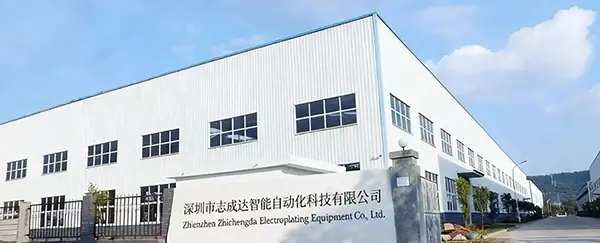
Phosphating Line
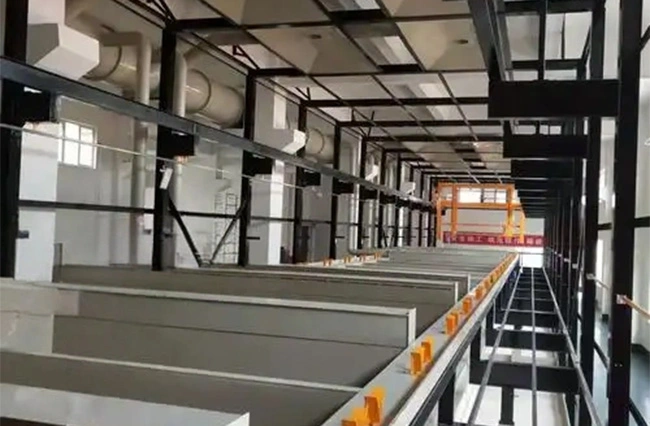
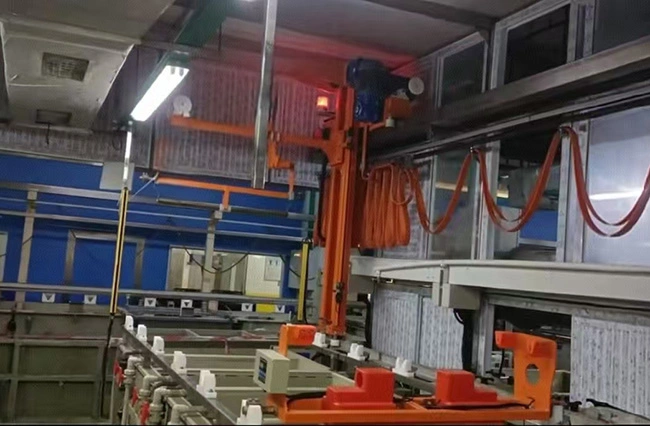
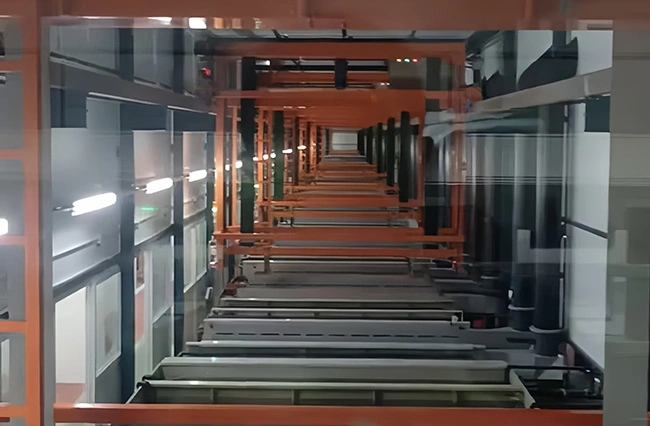
The phosphating line is a comprehensive automated or semi-automated surface treatment process for steel, zinc, aluminum, magnesium, and their respective alloys. Through precise chemical and electrochemical reactions, this phosphate conversion coating line generates a uniform, dense, and water-insoluble phosphate conversion film (phosphating film) on the workpiece surface. It stands as the most widely used, cost-effective, and technologically mature automated pretreatment plant in the metal finishing industry.
The primary industrial objectives of this metal phosphating system are:
- Corrosion Protection: Providing a reliable barrier layer to prevent substrate oxidation.
- Paint Undercoating: Enhancing the adhesion and durability of subsequent paint, powder coating, or E-coat layers.
- Cold Working Lubrication: Reducing friction and providing specialized lubrication during metal cold-forming or wire-drawing processes.
This heavy-duty surface preparation equipment is universally adaptable for all metal components requiring robust rust prevention and liquid/powder paint adhesion. It serves as a critical processing stage for automotive bodies, structural steel frames, industrial machinery housings, and metal enclosures.
This integrated metal surface pretreatment cell features a robust, multi-modular industrial engineering layout:
- Heavy-Duty Tank System: High-durability chemical immersion and spray tanks.
- Material Transport Layer: Custom-configured overhead cranes, gantry hoists, or chain conveyors.
- Thermal Management System: Precision heat exchangers and steam/electric temperature controllers for optimal chemical activation.
- Chemical Dosing & Replenishment System: Automated monitoring and injection of phosphating concentrates.
- Pure Water Generation Unit: Ensures contamination-free rinsing.
- Air-Supply & Air-Knife System: High-velocity air blowers for rapid surface moisture elimination.
- Environmental Support Architecture: Advanced wastewater treatment modules designed for phosphorus removal and chemical filtration.
This sequential finishing architecture operates on a strictly synchronized timeline, where any single variance can compromise film integrity: