Passivation Line
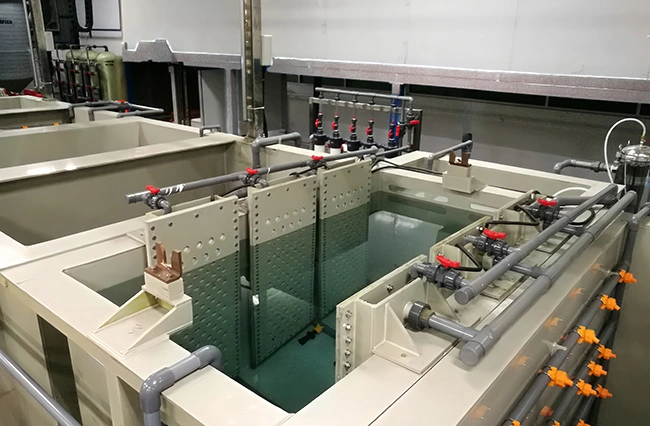
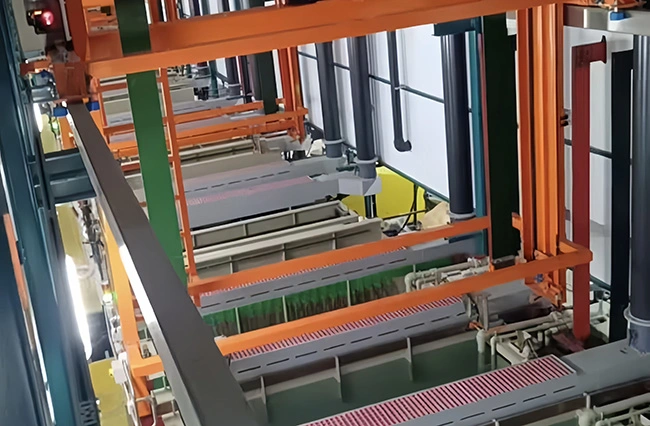
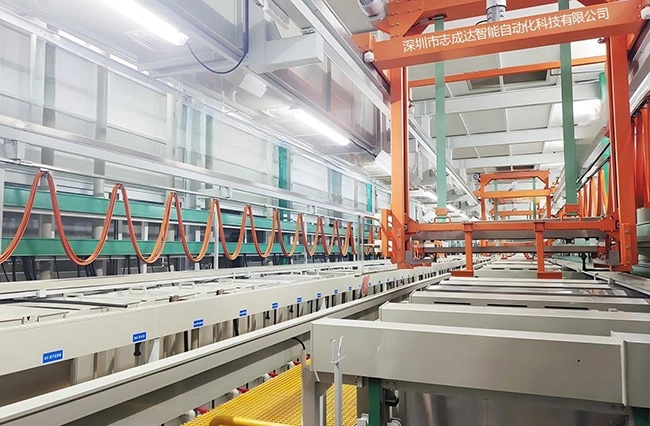
The passivation line is a complete automated or semi-automated surface treatment solution engineered for stainless steel, carbon steel, iron, aluminum, zinc, copper, magnesium alloys, and various electroplated components (such as galvanized, nickel-plated, and chrome-plated parts). By utilizing precise chemical passivation reactions, this chemical conversion coating line generates a dense, uniform, and pore-free chemical conversion film on the workpiece surface. This metal stabilization system effectively isolates the substrate from the external environment, preventing further oxidation or chemical reactions, thereby enhancing metal stability and protecting the internal structural integrity.
This advanced surface treatment setup is widely used for processing stainless steel fabrications that have undergone welding, polishing, or bending, as well as plated hardware. It is critical for maintaining surface brightness and aesthetic appeal in the following applications:
- Medical Equipment: Surgical instruments and sterilization trays requiring strict bio-compatibility.
- Chemical Engineering: Pipeline fittings, valves, and fluid control components.
- Commercial Goods: High-end kitchenware, bathroom fixtures, and architectural hardware.
This integrated passivation plant is a seamless fusion of several heavy-duty, corrosion-resistant engineering modules:
- Processing Tank System: Dedicated tanks for chemical interaction and surface stabilization.
- Material Transport System: Configured with automated hoists or continuous conveyors based on production volume.
- Rinsing & Water-Saving Modules: Multi-stage cascading rinse tanks to minimize water consumption.
- Air-Knife & Thermal Drying Unit: High-velocity air knives coupled with curing ovens for flash drying.
- Chemical Replenishment Layer: Automated dosing systems for precise chemical consistency.
- Environmental Support: Integrated wastewater treatment and exhaust filtration interfaces.
This automated finishing line follows a streamlined, highly repeatable sequence to ensure optimal film quality: